
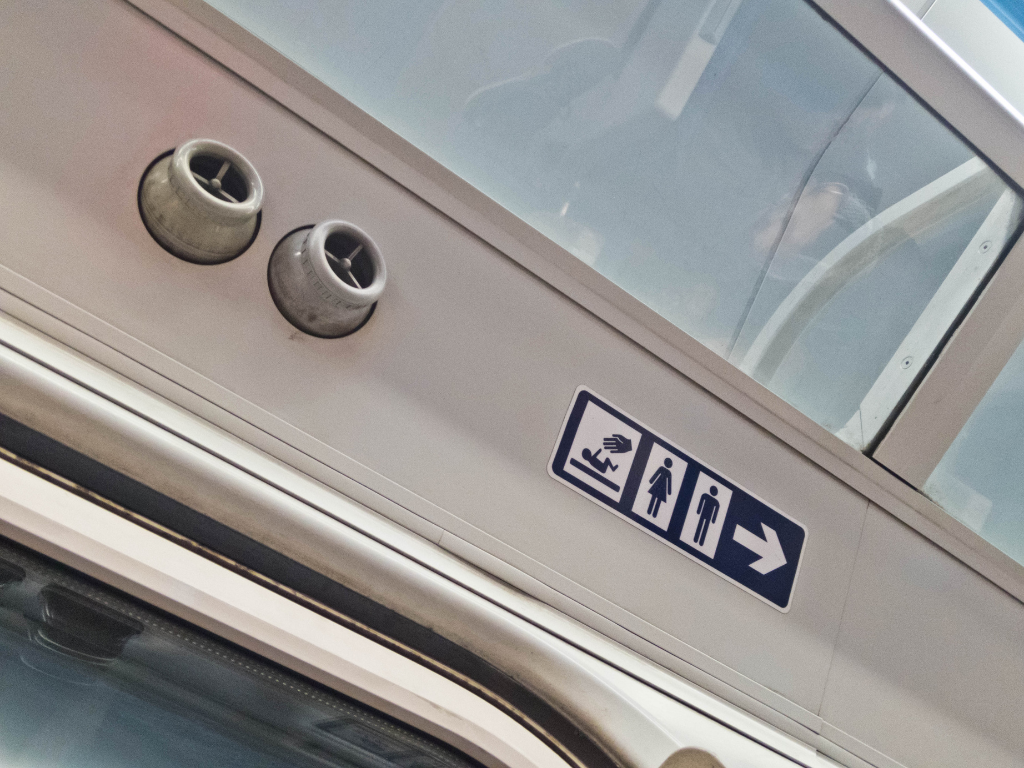
Modern rail vehicles depend on efficient climate control systems to ensure passenger comfort and reliable operation. While a train cooling system helps regulate temperature, effective airflow also relies on filtration and ventilation working together.
This is where train HVAC air filtration becomes essential. By removing airborne contaminants and supporting consistent airflow, it contributes to cleaner onboard environments and improved system performance. Want to understand how these systems work together to optimize HVAC performance? Keep reading.
Why Air Filtration Matters in Train HVAC Systems
Air filtration is fundamental to maintaining a safe and comfortable onboard environment. Every day, trains operate through a wide range of environmental conditions, exposing HVAC systems to dust, pollen, pollutants, and other airborne particles.
Without effective filtration, these contaminants can accumulate within equipment, reduce system efficiency, and negatively impact train air quality. High-performance filtration systems help maintain cleaner airflow while protecting sensitive HVAC components from premature wear.
The role of inertial filters in railway air management
Inertial air filters offer an efficient method for removing larger particles before they reach the main filtration. By separating contaminants through airflow dynamics, these filters reduce the load on downstream components and help extend overall filter lifespan.
Ventilation vs. Cooling: Two Different but Connected Functions
Although ventilation and cooling are often discussed together, they serve distinct purposes within an HVAC system. Ventilation introduces and circulates fresh air throughout the train, while cooling regulates temperature levels.
A properly engineered train ventilation system ensures consistent airflow distribution, preventing stagnant air and supporting passenger comfort. At the same time, cooling systems maintain suitable temperatures regardless of external weather conditions.
How Filtration Supports Passenger Comfort and System Reliability
Clean, well-circulated air contributes directly to a more pleasant passenger travel experience while reducing the presence of airborne contaminants.
Beyond passenger benefits, filtration also protects HVAC equipment. Effective HVAC filtration for trains prevents debris accumulation helping systems operate efficiently over longer periods.
Key Design Factors for Railway HVAC Airflow
Developing an effective HVAC solution requires careful consideration of airflow patterns, vehicle layout, passenger capacity, and environmental conditions.
A successful railway HVAC design balances ventilation rates, filtration efficiency, pressure management, and thermal performance.
Integrating Filtration into a Complete Thermal Management Strategy
Modern train HVAC air filtration systems should be viewed as part of a broader thermal management strategy rather than as independent components. Ventilation, filtration, cooling, and airflow control must work together to deliver consistent performance under varying operating conditions.
Maintenance considerations for train HVAC filters
Routine inspection and replacement of filters are essential for maintaining performance. A proactive maintenance strategy helps ensure optimal efficiency while reducing the risk of unexpected failures.
When filtration upgrades are needed in rolling stock projects
Filtration upgrades may become necessary when operating environments change or regulatory requirements evolve. Modernization projects often provide an opportunity to improve filtration efficiency and enhance airflow management.
If you would like to explore how integrated HVAC solutions can enhance your rolling stock projects, ROLEN’s engineering team is ready to provide expert guidance tailored to your specific operational requirements. Contact us.