
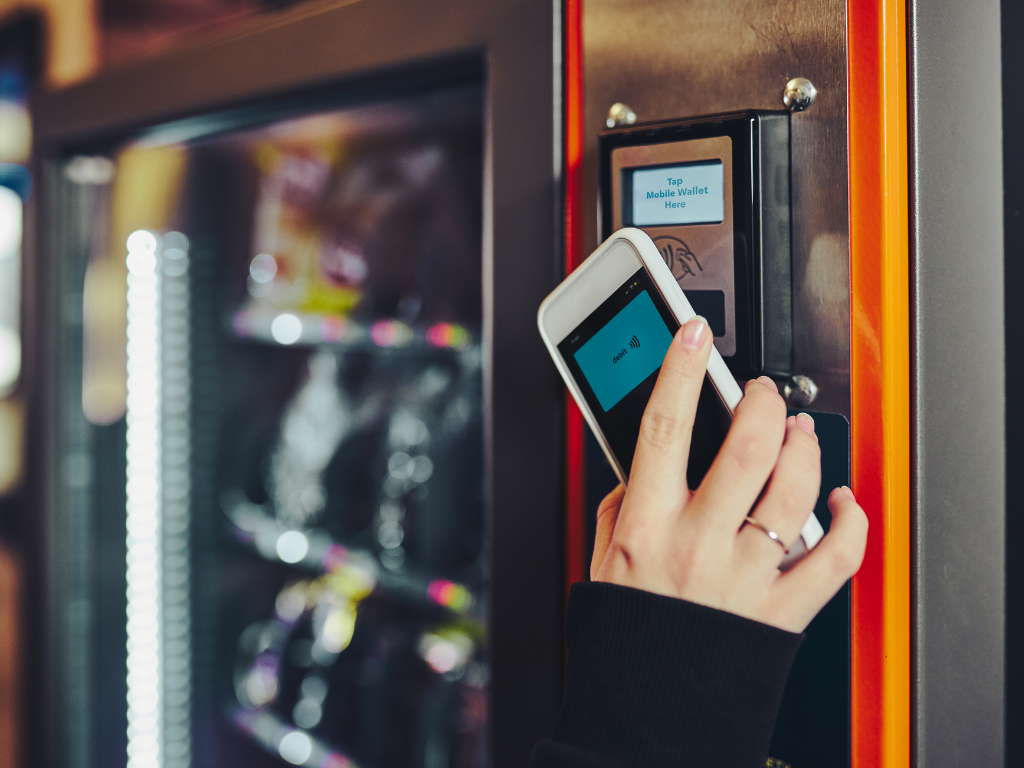
Passenger expectations are evolving, and railway stations must adapt to deliver faster, safer, and more convenient services. What was once a simple rail station vending machine has become a sophisticated digital touchpoint capable of supporting modern passenger journeys.
As a result, contactless vending is rapidly becoming the preferred solution across rail networks worldwide. But what is driving this transformation, and what benefits does it bring to both passengers and operators? Let’s take a closer look.
Why Railway Stations Are Moving Toward Contactless Vending
The shift toward digital services has transformed many aspects of public transportation, and vending is no exception. Today’s passengers expect quick transactions that fit naturally into their journey without unnecessary delays.
Modern railway station vending machine solutions must be designed around speed, convenience, and accessibility, making them a valuable asset in busy transport hubs.
From cash payments to touchless passenger services
Traditional cash-based transactions often create bottlenecks and require more maintenance. In contrast, contactless payment vending allows passengers to complete purchases quickly.
This transition supports the development of self-service railway stations, where travelers can access services independently while reducing queues and improving overall efficiency.
How Contactless Payment Improves the Passenger Experience
Convenience is one of the primary drivers behind the adoption of contactless technologies. Faster transactions mean less waiting time, especially during peak travel periods.
Passengers also benefit from a more intuitive purchasing process, reducing friction and creating a smoother travel experience.
Operational Benefits for Rail Operators and Station Managers
Beyond passenger satisfaction, contactless solutions offer significant operational advantages. Reduced cash handling lowers security risks and minimizes administrative tasks associated with collecting, counting, and managing physical currency.
Additionally, cashless vending machines can help reduce maintenance requirements and improve machine availability.
Smart Interfaces, Remote Monitoring and Real-Time Data
Digital vending technologies provide valuable insights into machine performance and customer behavior. Through smart vending for rail, operators can monitor inventory levels, track usage patterns, and receive maintenance alerts remotely.
Real-time data enables better decision-making, helping optimize stock management, improve service availability and enhance overall operational efficiency.
Choosing the Right Vending Solution for Railway Environments
Selecting the right vending system requires careful consideration of passenger volumes, available space, environmental conditions, and operational goals.
Modern contactless vending solutions should be reliable, easy to maintain, and capable of integrating seamlessly with existing station infrastructure.
Hygiene and speed in high-traffic stations
Contactless technologies help accelerate transactions while minimizing unnecessary touchpoints, making them particularly well-suited for high-traffic locations.
What operators should consider before installation
Before implementing a vending solution, operators should evaluate factors such as payment compatibility, remote management capabilities, maintenance requirements, energy efficiency, and long-term scalability.
Contactless technologies are reshaping the role of vending within modern railway stations, creating more convenient and more efficient experiences for passengers and operators alike.
Ready to implement high-tech vending machines in your railway network? Get in touch with ROLEN to discover our advanced vending solutions.