
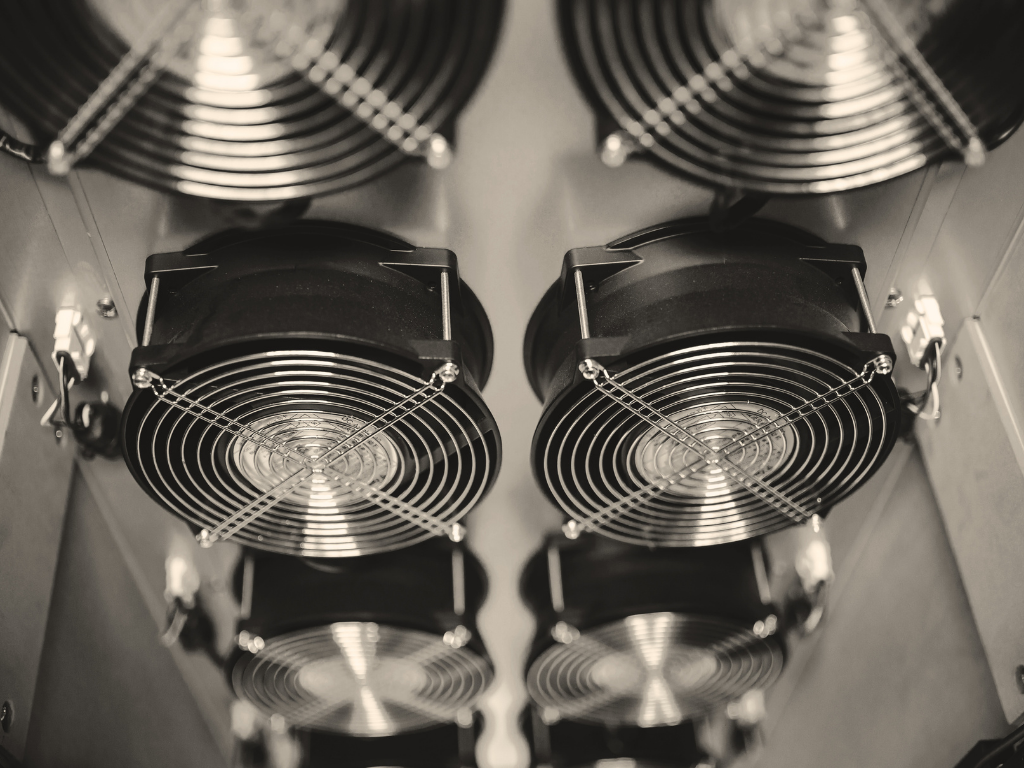
The shift toward electric and hybrid rolling stock is changing how trains manage heat. Batteries, power electronics and motors generate thermal loads that require precise control.
A reliable train cooling system is therefore essential for protecting critical components and maintaining consistent performance. This makes thermal management in electric trains a key consideration for modern rail engineering. But what challenges does this technology need to overcome? Keep reading to find out.
Why Electric and Hybrid Trains Need Advanced Thermal Management
Unlike conventional vehicles, modern electric platforms combine high-power electrical equipment with increasingly compact vehicle architectures. This combination creates new thermal challenges for engineers. As a result, controlling temperature becomes essential for maintaining efficiency, reliability and component lifespan.
The difference between HVAC and technical cooling systems
HVAC systems regulate temperature and air quality within passenger areas. Technical cooling systems instead manage heat generated by propulsion and electrical equipment.
These functions require different technologies and control strategies. However, they must operate efficiently within the same vehicle architecture.
Cooling Batteries, Power Electronics and Auxiliary Equipment
Batteries need controlled temperatures to maintain performance and limit degradation. Similarly, power electronics can generate considerable heat during demanding operating conditions.
Effective railway battery cooling can use air cooling, liquid cooling or heat exchangers. The appropriate solution depends on power requirements, battery architecture and available installation space.
Thermal Challenges in Hydrogen and Hybrid Rail Vehicles
Hybrid train cooling and hydrogen trains introduce additional thermal requirements. Hybrid platforms must manage heat from electric and conventional propulsion systems simultaneously.
Meanwhile, fuel-cell systems generate heat that requires controlled dissipation. Therefore, hydrogen train thermal management must consider component protection, energy efficiency and operational safety.
Reliability, Energy Efficiency and Safety Considerations
Thermal systems must perform consistently under changing loads and external temperatures. Excessive heat can accelerate component degradation and reduce system reliability.
Conversely, oversized cooling systems can increase energy consumption and vehicle weight. Therefore, effective electric train thermal management requires a balance between cooling capacity, efficiency and system weight.
Designing Cooling Systems for the Next Generation of Trains
Future trains will require cooling systems that are compact, efficient and adaptable to different vehicle architectures. Therefore, thermal requirements should be considered from the earliest engineering stages.
From conventional cooling to integrated thermal strategies
The industry is moving toward integrated thermal strategies that coordinate cooling across multiple subsystems. This approach can improve heat distribution and reduce unnecessary energy consumption.
What rail operators should consider during fleet upgrades
Fleet upgrades provide an opportunity to improve thermal performance without completely redesigning the vehicle. However, operators should first assess existing cooling capacity and component condition.
As railway propulsion evolves, thermal management in electric trains is becoming increasingly important for reliable operations. That is why, at ROLEN we develop customized cooling solutions for modern rolling stock and demanding operating conditions.
Looking to improve your train cooling capabilities? Contact us.